Liver Disease
Hepatitis A (HAV)
Hepatitis A is a contagious liver disease caused by the Hepatitis A virus that is often self-limited in most cases. People who get Hepatitis A may feel sick for a few weeks to several months, but usually recover completely and do not have lasting liver damage.


Hepatitis B (HBV)
Hepatitis B is a contagious liver disease that can range in severity from a mild illness lasting a few weeks to a serious lifelong illness and is caused by the Hepatitis B virus. It is usually spread when blood, genital secretions, or body fluid from a person infected with the Hepatitis B virus enters the body of someone who is not infected.
Hepatitis C (HCV)
Hepatitis C is a contagious liver disease, caused by the Hepatitis C virus, that can range in severity from a mild illness lasting a few weeks to a serious, lifelong illness. It is usually spread when blood from a person infected with the Hepatitis C virus enters the body of someone who is not infected.


Hepatitis D
Hepatitis D, also known as “delta hepatitis,” is a liver infection caused by the hepatitis D virus (HDV). Hepatitis D only occurs in people who are also infected with the hepatitis B virus. Hepatitis D is spread when blood or other body fluids from a person infected with the virus enters the body of someone who is not infected. One in 20 people with hepatitis B are estimated to be coinfected with hepatitis D.
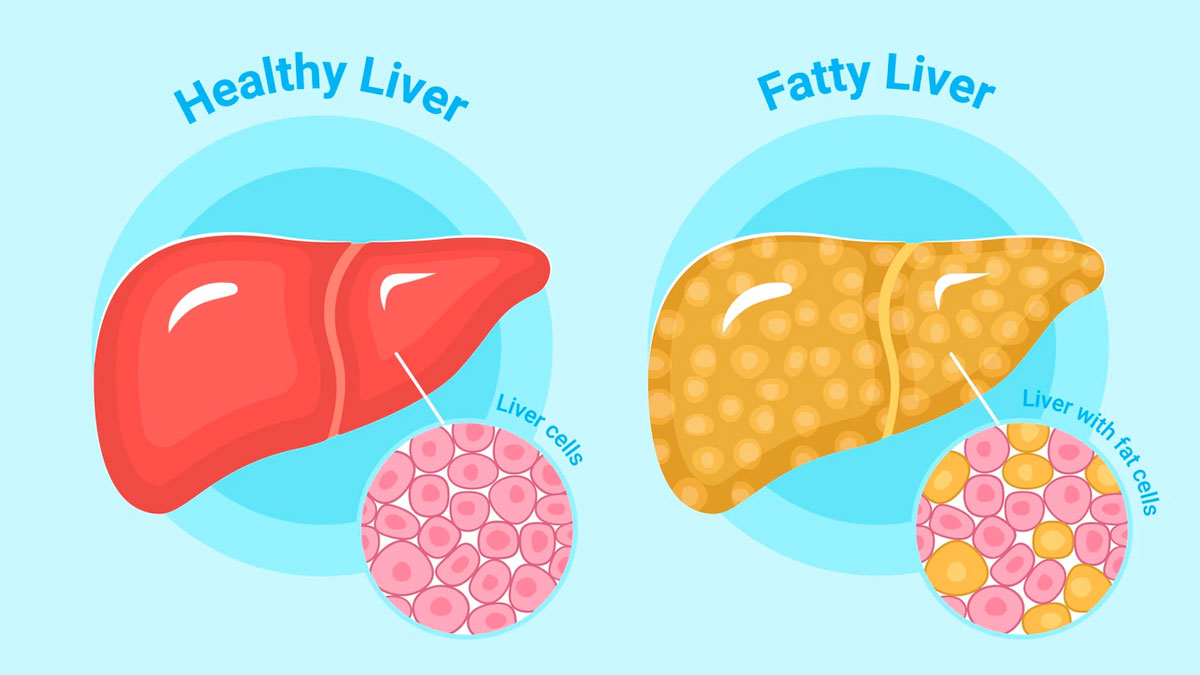
Non-alcoholic Fatty Liver Disease
Non-alcoholic Fatty Liver Disease (NAFLD) occurs when fat is increased in the liver and there is not a clear cause like excessive alcohol use. Over time, these fat deposits can cause liver damage and lead to other health complications.