
Anal Health Clinic
While routine cancer screenings are typically offered for other areas of the body during routine PCP visits, this may not be the case for anal cancer. Anal cancer is a relatively rare but serious cancer that can affect anyone, regardless of sexual orientation or gender.
Routine screenings are important, especially for those at an increased risk, as they can help detect abnormal cells or lesions before they become cancerous, allowing for earlier intervention and better treatment outcomes. Early detection and treatment of anal dysplasia can significantly reduce the risk of progression to cancer.
We encourage anyone who may be at risk to consider scheduling an appointment for an anal cancer screening.
Human Papillomavirus (HPV)
HPV, or Human Papillomavirus, is a common sexually transmitted infection that can cause various health issues, including genital warts and certain types of cancer, such as cervical, anal, and throat cancer. While many people are familiar with cervical cancer screening, it is important to note that anal HPV is also a significant health concern, particularly for certain high-risk populations.


Anal Pap Smear
Is a simple and quick screening test used to detect abnormal cells in the anus and lower rectum
that may be an indication of anal cancer or precancerous changes.
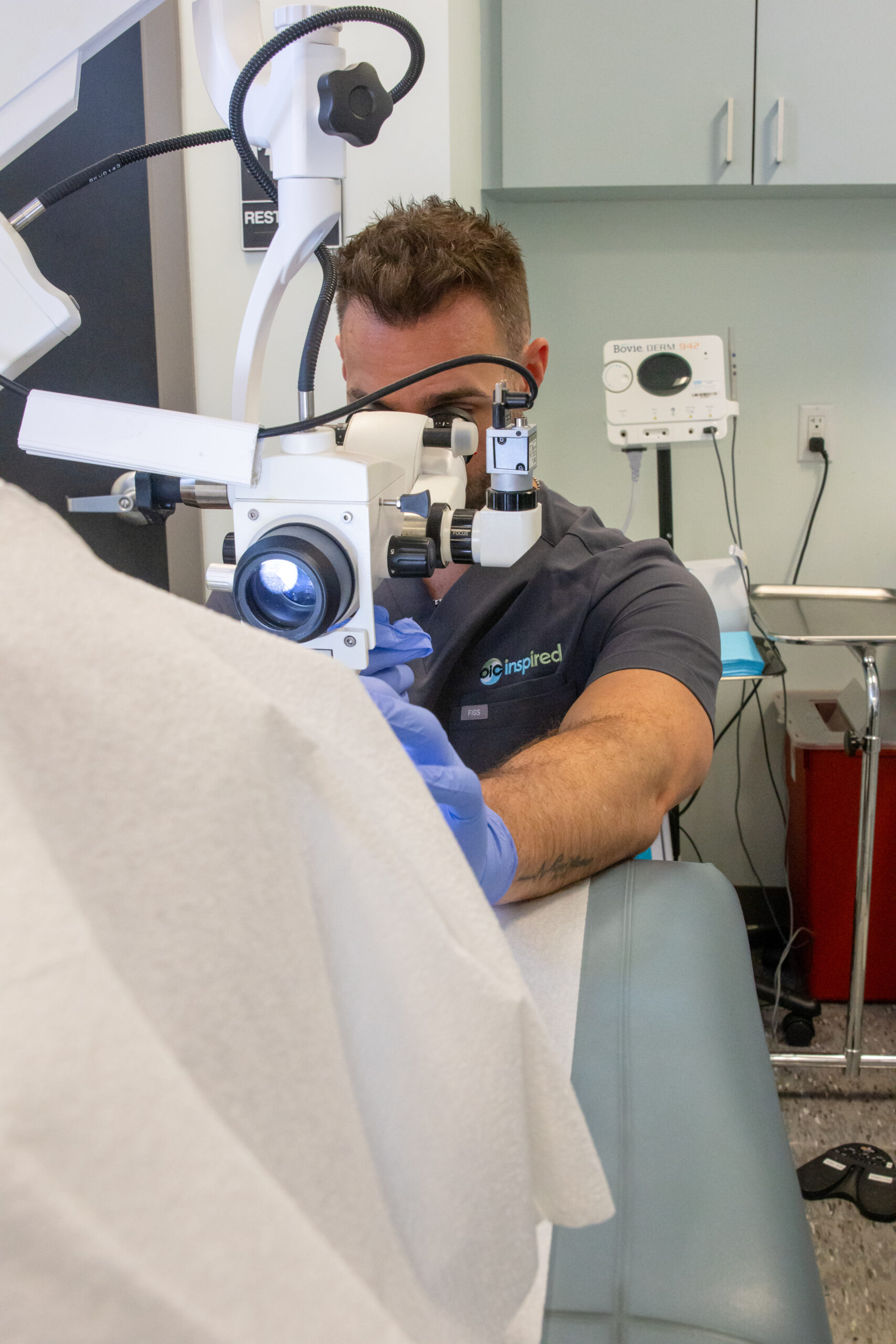
High Resolution Anoscopy (HRA)
In cases where precancerous cells are detected, a high resolution anoscopy (HRA) may be performed to provide a more detailed examination to obtain targeted biopsies for accurate diagnosis.

Anal Dysplasia
Refers to the presence of abnormal cells in the anal tissue that may progress to cancer over time. The condition is typically caused by infection with the human papillomavirus (HPV) and can occur in both men and women. Symptoms of anal dysplasia may include anal bleeding, itching, or pain, but in many cases, there may be no symptoms at all.